Seed Funding in 2025: Your Complete Guide to Raising Your Startup's First Real Round
A complete guide to raising seed funding in 2025. Learn how valuations are trending, what traction investors expect, how SAFEs work, common mistakes to avoid, and how to target the right investors with data-backed benchmarks and clear steps for your fundraising process.

Raising your first institutional round is one of the most important milestones in your startup journey. Seed funding transforms your company from a bootstrapped idea into a venture-backed business with resources, validation, and momentum.
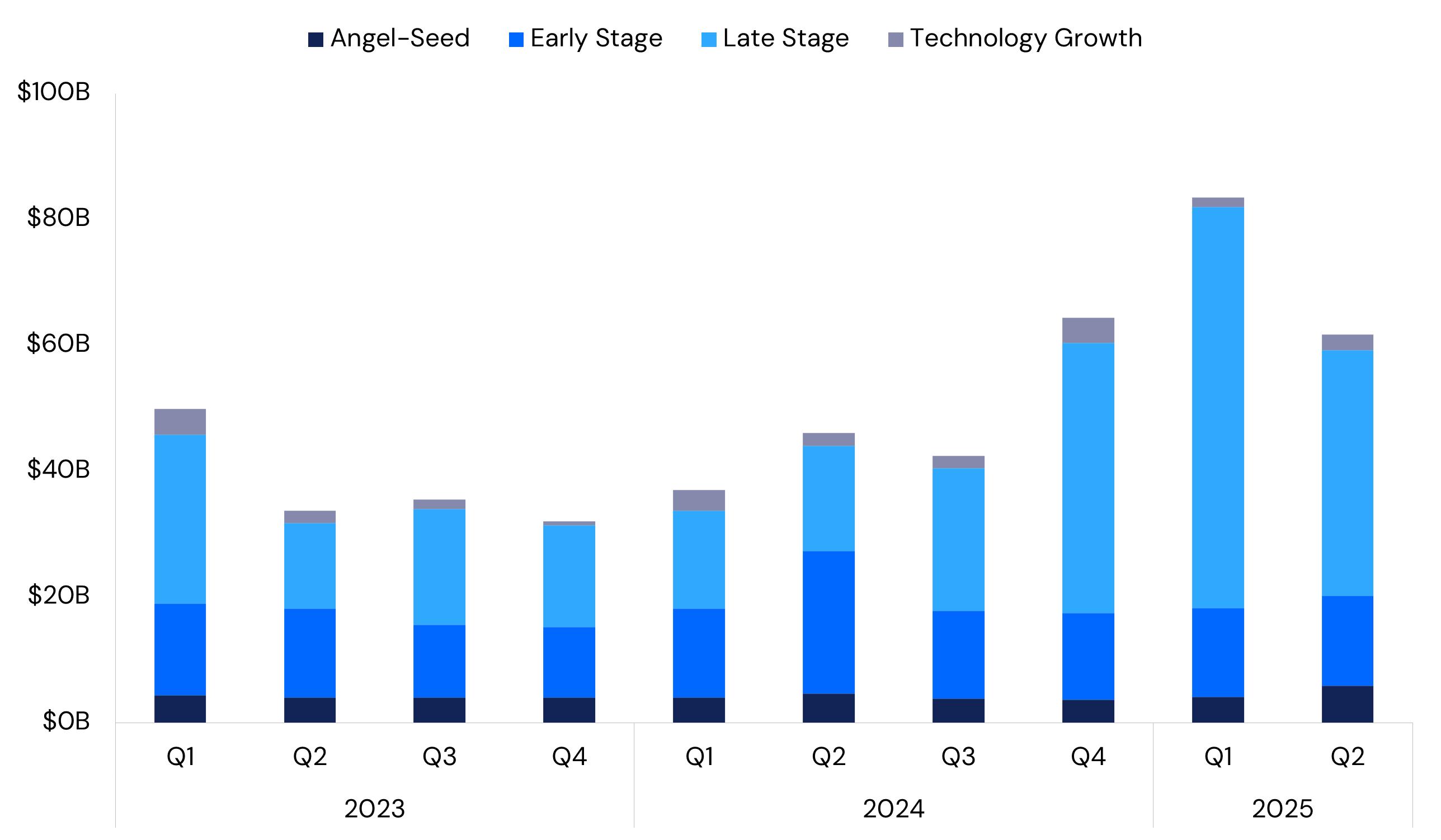
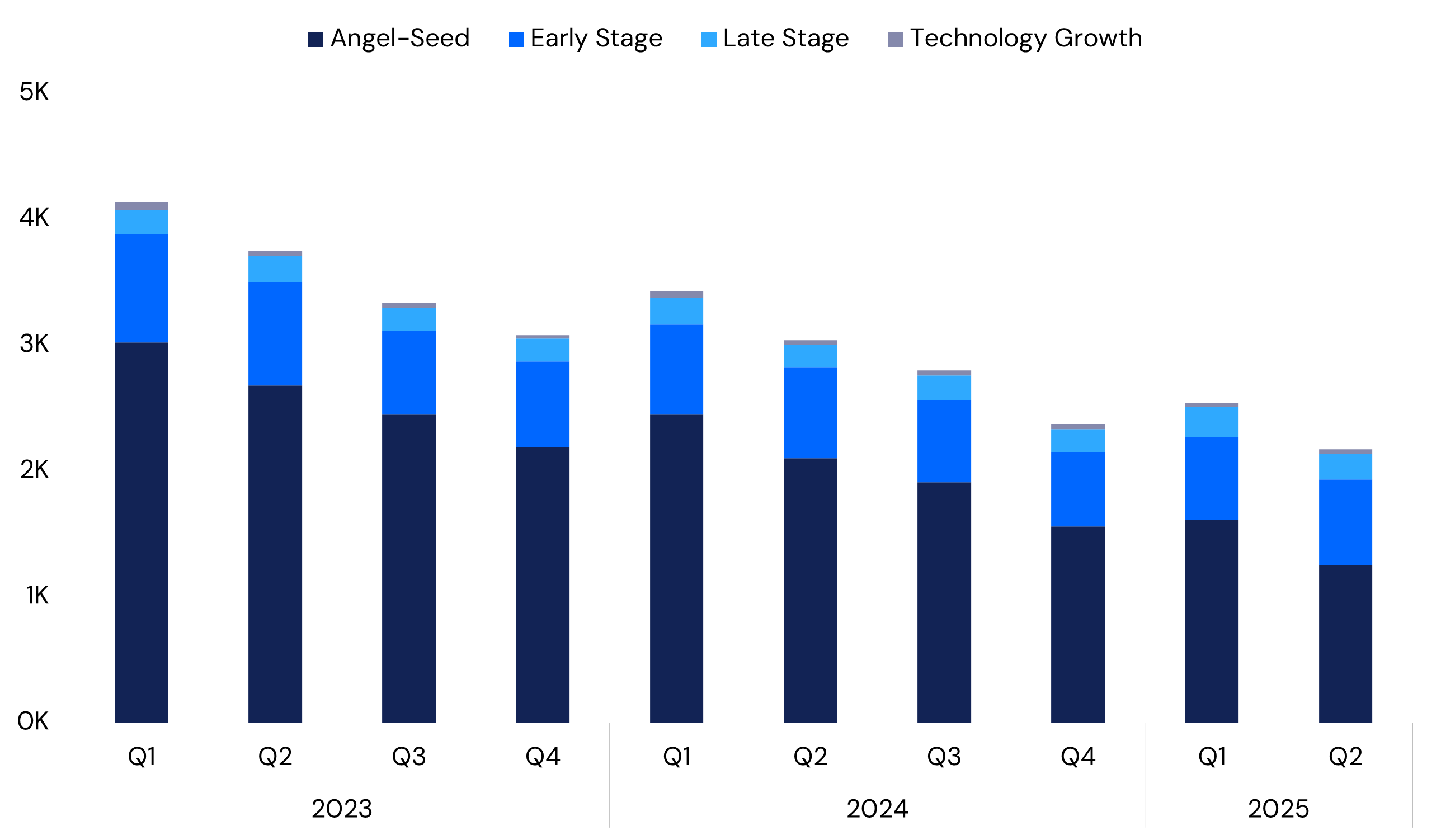
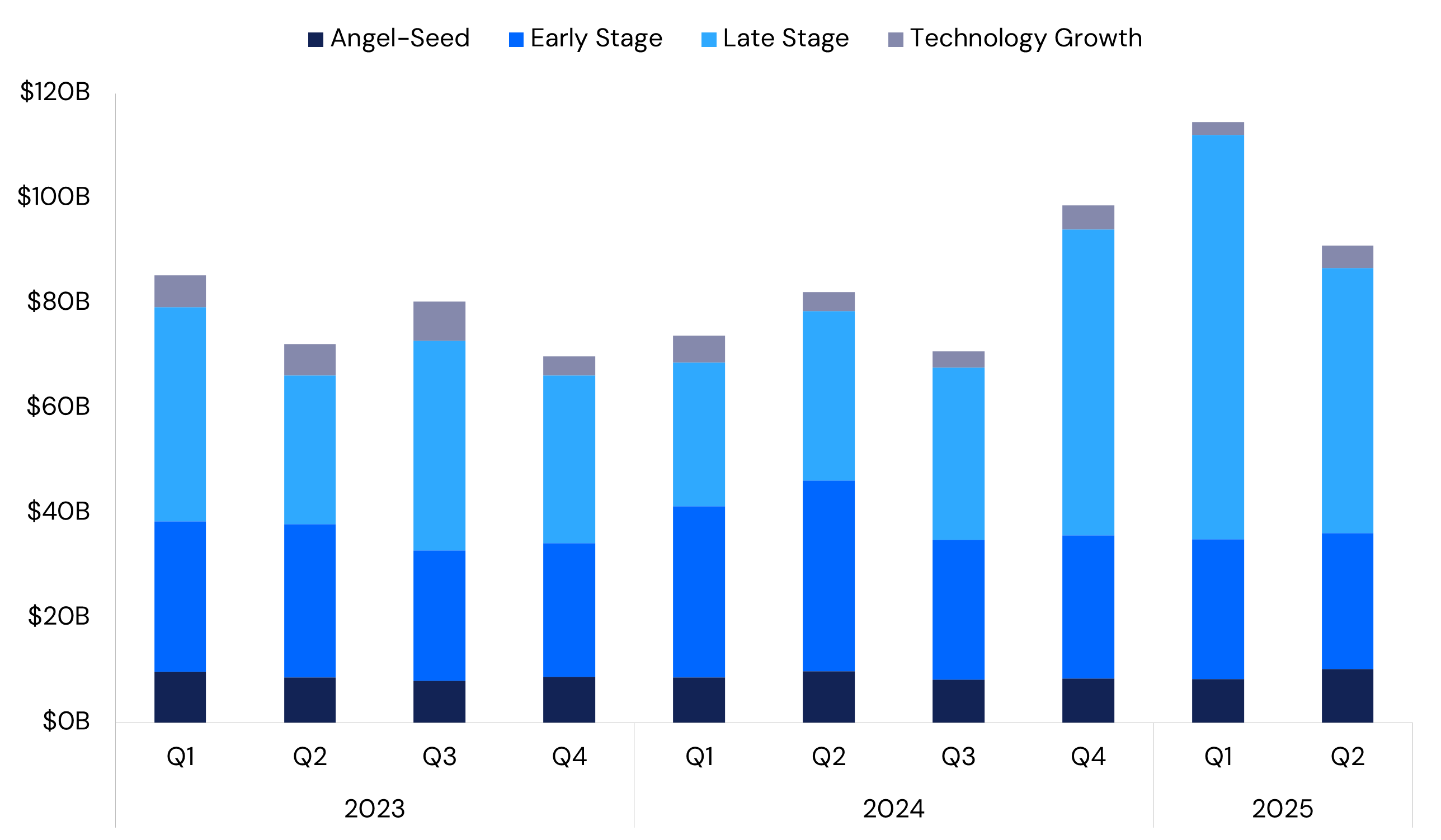
But the seed landscape has changed dramatically. According to Crunchbase, global venture funding reached $91 billion in Q2 2025, but this capital is flowing differently than it did three years ago. Fewer founders are getting funded, but those who do are raising larger rounds at higher valuations.
This guide breaks down everything you need to know about seed funding in 2025, using data from leading venture research firms and showing you how modern tools make fundraising more accessible than ever.
What Is Seed Funding?
Seed funding is the first significant institutional investment in your startup. It typically comes after you've used personal savings, money from friends and family, or small angel investments to build an initial version of your product.
Unlike those early checks, seed funding involves professional investors who expect:
- A clear business model
- Some proof that customers want what you're building
- A plan for how you'll use their money
- A path to raising more capital later
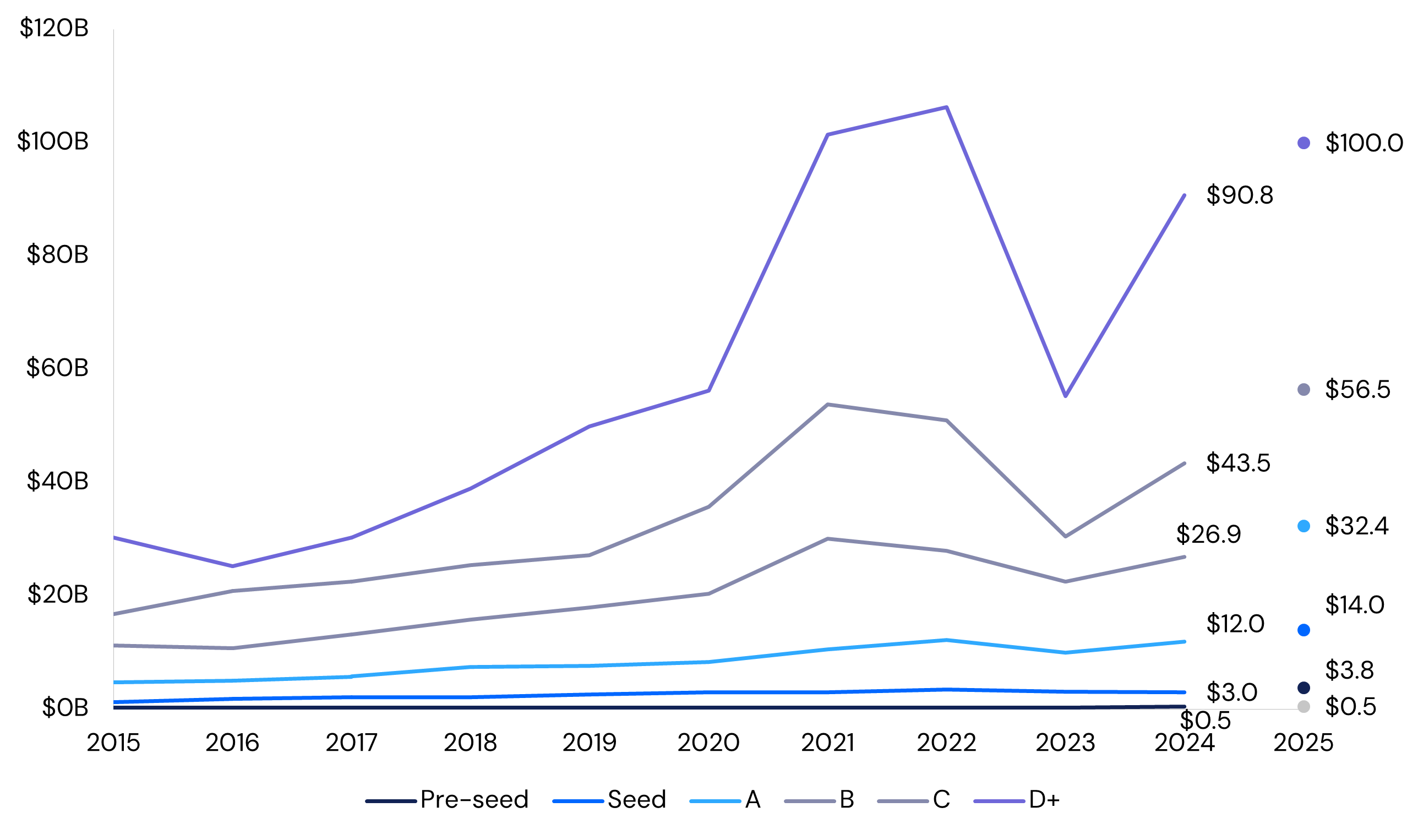
According to research from Development Corporate, seed funding typically ranges from $500,000 to $3 million, though this varies significantly based on your industry and location.
How Seed Funding Differs From Other Rounds
Pre-seed is what comes before seed. These are the smallest investments, often under $500,000, from angels or micro VCs. You might not have a product yet.
Seed is when you have early traction and are ready to build your team and grow. You're proving your business model can work.
Series A comes after seed, usually when you have strong revenue growth and need capital to scale. According to PitchBook data from Q3 2025, the median Series A is now significantly larger than seed rounds.
The Seed Funding Landscape in 2025
The Numbers Tell an Interesting Story
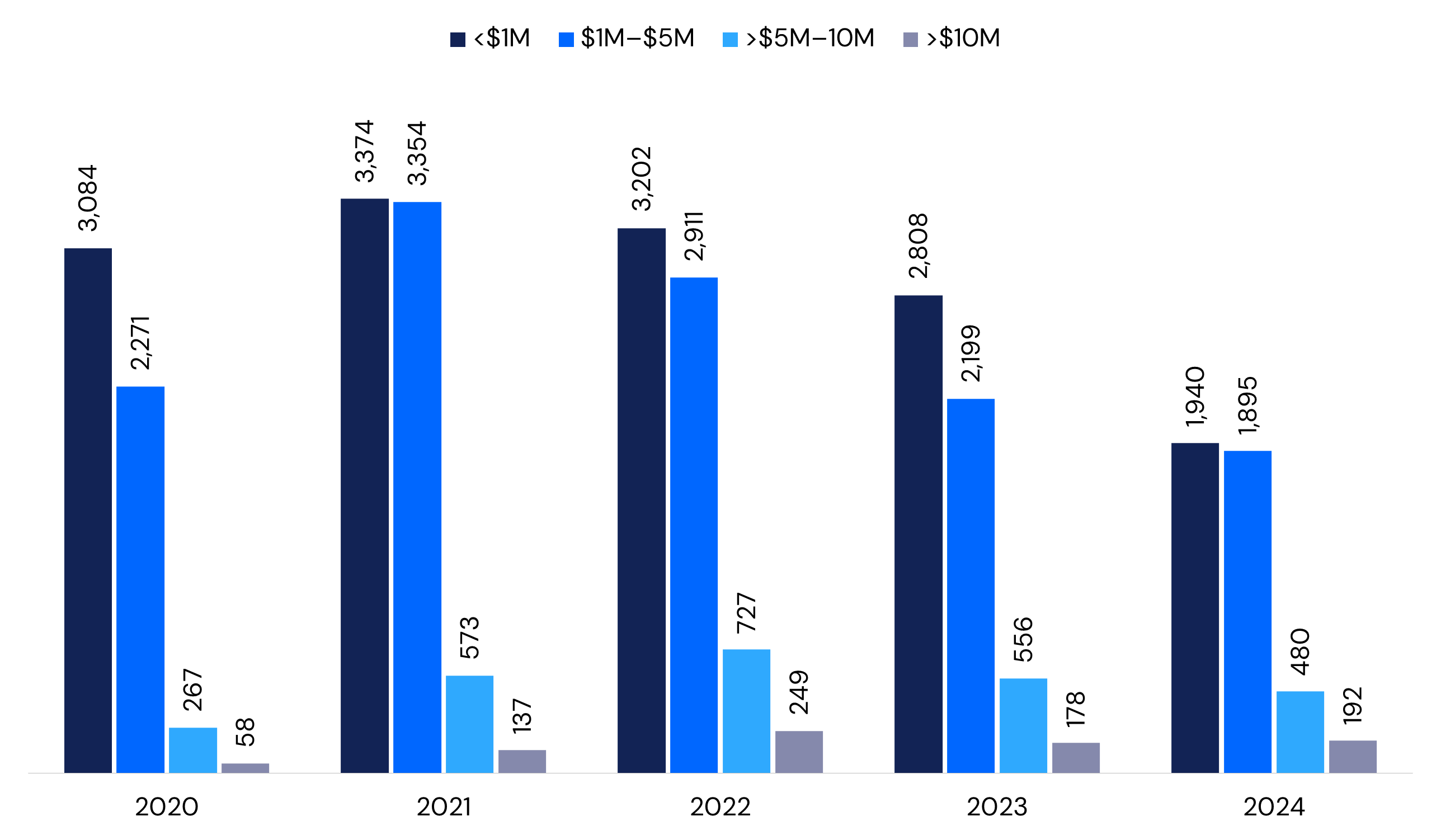
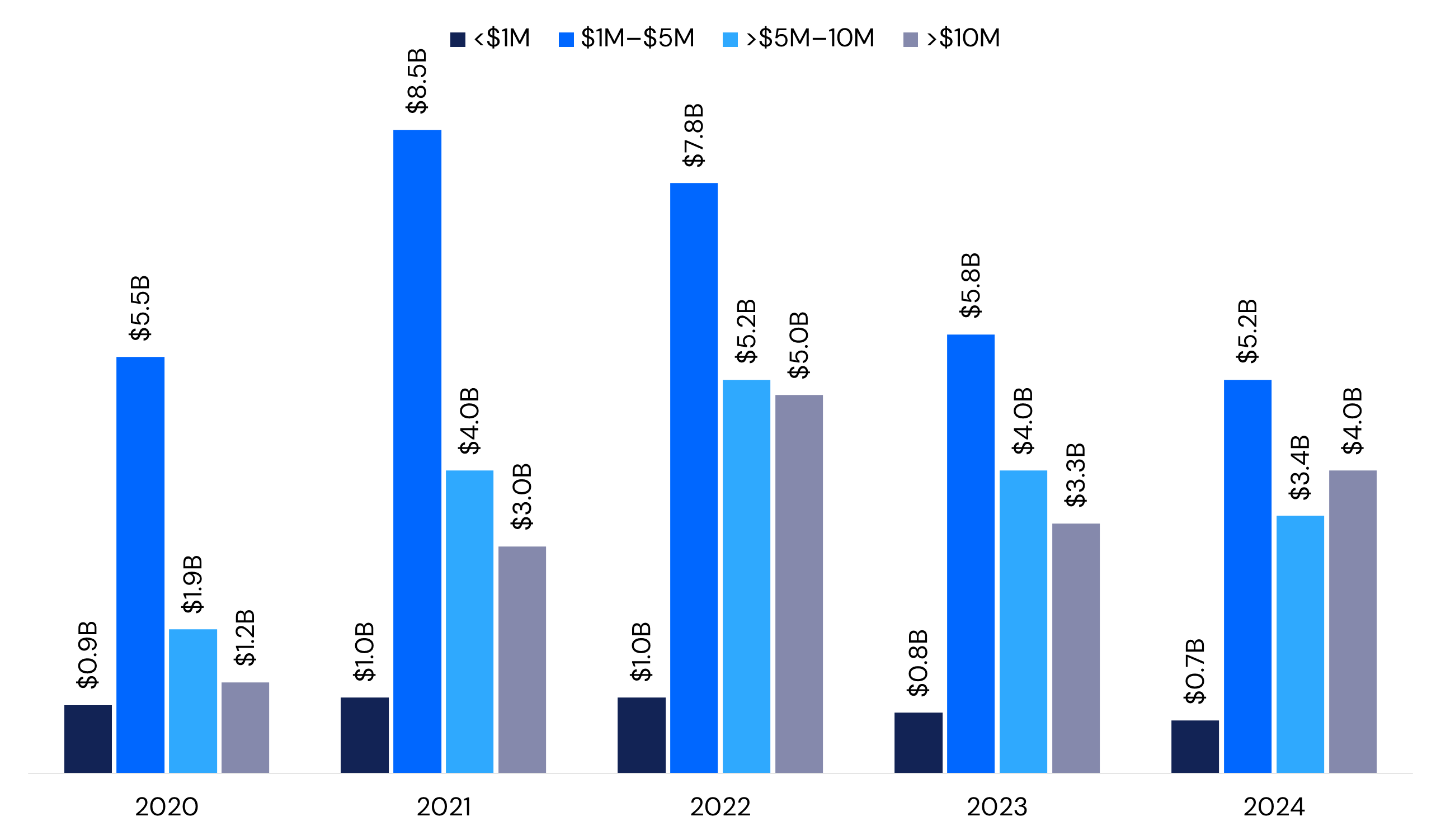
Crunchbase reported that seed funding has been the most resilient venture stage through the recent downturn. But there's a catch: larger seed rounds are getting more investment than smaller ones.
Since 2022, seed rounds above $5 million have received more total capital than rounds between $1 million and $5 million. This creates a two-tier market where exceptional companies raise big rounds quickly, while everyone else faces a tougher environment.
Geography Matters More Than You Think
Where you're based affects how much you can raise and at what valuation.
North America continues to dominate, with $145 billion invested across all venture stages in H1 2025, up 43% year over year. Meanwhile, European seed funding totaled just $1.9 billion in Q2 across 845 rounds, representing only 19% of global seed activity.
The U.S. South has become surprisingly strong for early-stage funding. Cities like Austin, Dallas, Houston, Atlanta, and Miami are now in the top 20 metros for pre-seed and seed activity, according to Crunchbase's metro analysis.
AI Companies Are in a Different World
If you're building anything related to artificial intelligence, the numbers look completely different.
CB Insights research shows AI startups raised median rounds of $4.6 million in 2025, more than $1 million above the broader market. PitchBook's Q3 2025 data puts median AI pre-money valuations at $45 million, with some reaching over $1 billion.
These numbers are skewed by mega-rounds to foundation model companies, but even smaller AI companies benefit from investor enthusiasm.

How Seed Rounds Actually Work
Most Founders Don't Raise "Priced Rounds" Anymore
A priced round means you and investors agree on exactly what your company is worth today. You sell shares at a specific price.
But most seed rounds in 2025 use something different: convertible instruments. These are agreements that convert into shares later, at your Series A, when you have more data to price your company properly.
The two main types are:
SAFEs (Simple Agreement for Future Equity): Created by Y Combinator, these are the most popular. SAFEs are simpler and faster than traditional convertible notes.
Convertible Notes: Similar to SAFEs but technically structured as debt that converts to equity. These are less common now but still used by some investors.
Understanding SAFE Terms Without Getting Lost
SAFEs have two key terms you need to understand:
Valuation Cap: This sets the maximum valuation at which your SAFE converts to shares. Example: You raise $500,000 on a SAFE with a $10 million cap. Later, you raise Series A at a $30 million valuation. Your SAFE investors convert at the $10 million cap, meaning they get 3x more shares than Series A investors for the same dollar amount.
Discount Rate: This gives SAFE investors a percentage discount on your Series A price. If you have a 20% discount and Series A investors pay $1.00 per share, SAFE holders pay $0.80.
Understanding these terms before you sign is critical because they affect how much of your company you'll own after Series A.
Some SAFEs have both a cap and a discount. Investors get whichever gives them more shares. This can lead to more dilution than founders expect.
Why This Matters for You:
If you raise multiple SAFE rounds with different caps, your cap table gets complicated fast. Tools like FE Capital's platform help you model different scenarios so you understand exactly how each SAFE affects your ownership before you accept terms.
What Investors Actually Look For at Seed Stage
The Team Is Everything
At seed stage, you probably don't have much revenue. Your product might still be rough. So what are investors really betting on? You.
Research from PitchBook shows that at seed, investors prioritize team over market and product. This flips at Series A, where market and traction become more important.
Investors want to see:
You actually know this space: Have you worked in this industry? Do you understand the problem deeply because you've lived it?
You can build: Can your technical co-founder actually code? Or will you need to hire your entire engineering team before building anything?
Your team covers the gaps: The best founding teams have complementary skills. A technical founder plus a business/sales founder is classic for a reason.
You've done hard things: Even if you haven't started a company before, have you shipped complex projects? Execution track record matters.
Traction Matters More Than It Used To
In 2021-2022, you could raise seed with just an idea. That doesn't work anymore.
Investors now expect to see real traction before they write checks. What counts as traction varies by business model, but here's what investors typically want:
For SaaS companies:
- $10,000 to $20,000+ in monthly recurring revenue
- 10% or higher month-over-month growth
- Customers who stick around (good retention metrics)
For marketplaces:
- Consistent transaction volume
- Both sides of the marketplace growing
- Evidence of network effects starting
For consumer apps:
- Strong user growth that's not just paid acquisition
- High engagement metrics (daily active users, time in app)
- Proof that users keep coming back
Emphasizes that investors want to see you've validated your assumptions with real customers, not just surveys or hypotheticals.
How FE Capital Helps Here:
When you know what metrics matter, you can target investors who've backed companies at your stage. FE Capital's investor matching shows you which investors have funded companies with similar traction to yours, so you're not pitching VCs who expect $100K MRR when you're at $15K.
Market Size and Timing
Investors need to believe your market is big enough to build a venture-scale company. A company that maxes out at $10 million in revenue won't work for venture capital.
Investors evaluate three things about your market:
Total Addressable Market (TAM): How big could this get if everything goes right? Investors want TAM of at least $1 billion, preferably much more.
Why now: What's changed that makes this the right time? New technology? Regulatory shift? Behavior change? There needs to be a reason why this company couldn't have been built five years ago.
How you'll win: Why will you beat competitors? Network effects, proprietary data, regulatory moats, and distribution advantages create real defensibility. Just having better features isn't enough.
Valuations and Dilution in 2025
What Seed Rounds Are Actually Valued At
Valuations are all over the map depending on what you're building and where you are.
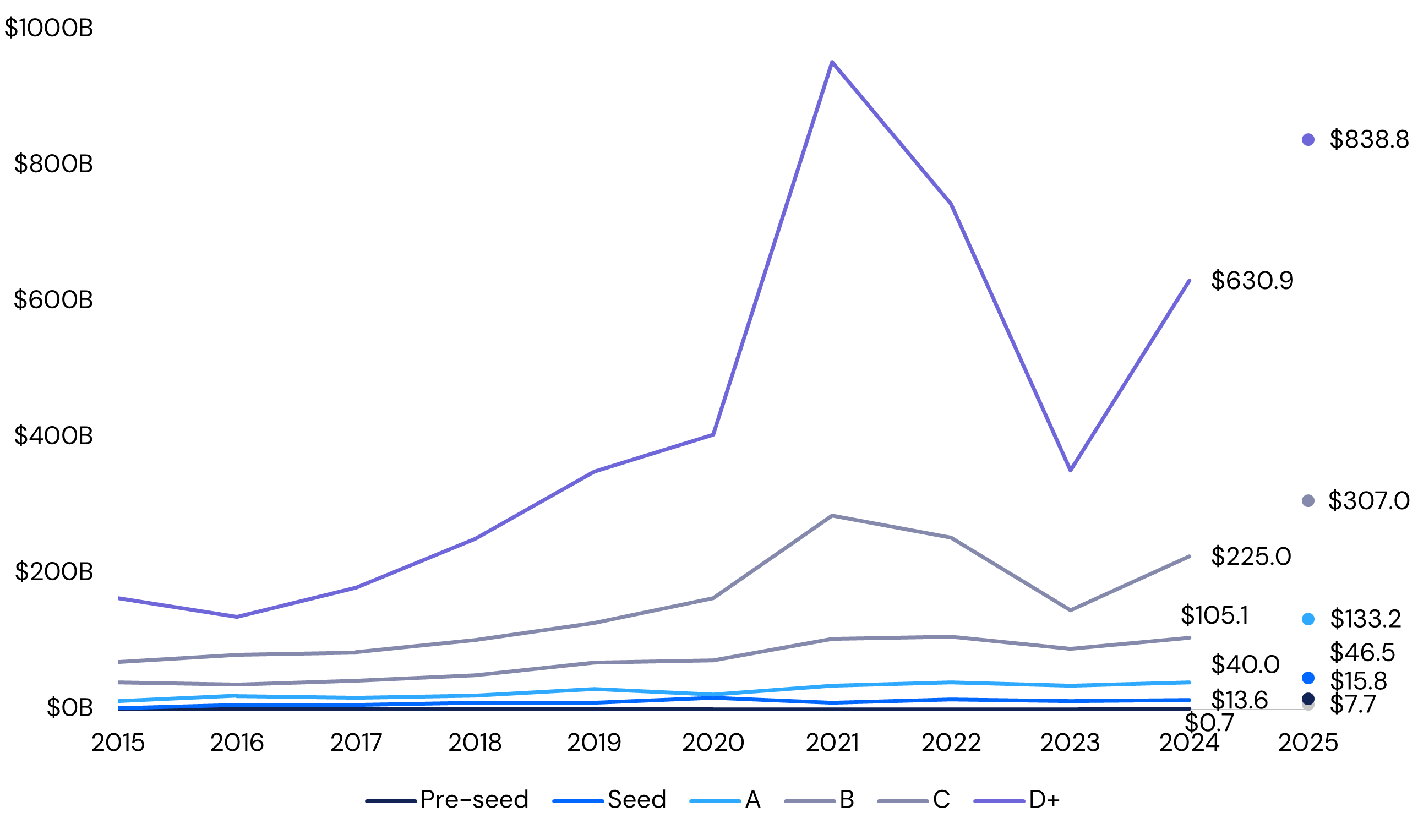
PitchBook's Q3 2025 data shows median seed pre-money valuations at $15.8 million, up from $13.6 million in previous years. But averages hide a lot of variation.
Typical ranges by sector:
- AI/ML companies: Median of $45 million, with top deals in the hundreds of millions or even billions
- SaaS: $12 to $18 million for companies with solid metrics
- Consumer: $10 to $15 million depending on growth rates
- Healthcare/biotech: Often lower due to longer timelines and regulatory risk
PitchBook research notes that top-decile "consensus" seed rounds are priced around $40 million pre-money, nearly 3x the median. But these competitive deals often mean investors accept smaller ownership percentages to get in.
How Much of Your Company Will You Give Up?
Dilution is how much ownership percentage you lose in each funding round.
At seed stage, typical dilution ranges are:
- 10 to 15%: You have multiple term sheets and strong traction. Investors compete for your deal.
- 15 to 20%: Standard range for solid companies meeting investor criteria.
- 20 to 25%: Earlier stage or higher perceived risk. Some first-time founders end up here.
Founders typically give up 15 to 25% equity in seed rounds, though this varies based on valuation and round size.
Why this matters long-term:
If you raise multiple rounds before Series A, those percentages add up. You might give up 10% for pre-seed, 20% for seed, and 25% for Series A. You're down to 45% ownership before you've even raised a growth round.
Managing dilution strategically means:
- Not raising at too low a valuation just to close fast
- Not raising too many small rounds that each take 10-15%
- Understanding how SAFE caps affect your Series A dilution
FE Capital's dilution modeling tools help you see how different cap and discount combinations play out across multiple rounds, so you're not surprised when Series A happens.
Building Your Seed Fundraising Strategy
What You Need Before You Start
Don't start reaching out to investors until you have these ready:
1. A Clear Pitch Deck (10 to 15 slides)
Your deck should cover:
- The problem you're solving and why it matters
- Your solution and what makes it different
- Traction you've achieved with real numbers
- How your business model works and unit economics
- Market size with realistic bottom-up calculations
- Your team and why you're the right people
- How much you're raising and what you'll do with it
Ycombinator guide emphasizes keeping your deck focused and visual. Investors see dozens of decks per week. Yours needs to be clear and compelling.
2. Financial Model (18 to 24 months)
Build a spreadsheet showing:
- Revenue projections by month with clear assumptions
- Expenses including every planned hire and their salary
- Cash flow so investors see exactly how long this money lasts
- Key metrics like CAC, LTV, gross margin
Don't make up numbers. Base them on real data from your early customers or comparable companies.
3. Clean Cap Table
List everyone who owns any piece of your company:
- Founders and their ownership percentages
- Any angels or early investors
- Employee options
- SAFEs or convertible notes
- Pro forma showing how your seed round changes things
Cap table problems scare off investors fast. Make sure yours is clean before you start.
4. Basic Data Room
Have ready:
- Incorporation documents
- IP assignments proving your company owns its technology
- Customer contracts or LOIs if you have them
- Product roadmap
You don't need everything perfect, but you need the basics organized.
Finding the Right Investors
Not every investor is right for your company. Reaching out to the wrong ones wastes time you don't have.
What you need to know about each investor:
- Stage: Do they invest at seed or are they Series A focused?
- Sector: Have they backed companies in your space?
- Geography: Will they invest in your region?
- Check size: Can they write the amount you need?
- Portfolio fit: Do they already have a competitor?
Traditional ways of researching investors involve:
- Hours on Crunchbase looking at who funded similar companies
- Reading investor websites and Medium posts to understand their thesis
- Asking for warm introductions through your network
- Cold emailing with information that's often outdated
This process typically takes 40 to 60 hours before you even start real conversations.
How Modern Platforms Change This:
FE Capital's investor database includes over 50,000 verified investors with detailed profiles covering exactly what they invest in, how much they typically write, and which companies they've backed.
The platform's AI matching system automatically identifies investors who match your sector, stage, and check size. Instead of spending weeks building lists, you can focus on the actual conversations.
Writing Outreach That Gets Responses
Investors receive hundreds of cold emails every month. Most get ignored.
Here's what works in 2025:
Subject line: Reference something specific. "Following Sarah's investment in [similar company]" works better than "Fundraising."
First paragraph: State what your company does in one sentence, then explain why you're reaching out to this specific investor. Show you've done research.
Second paragraph: Share your best traction metric. Make it specific: "We grew from $0 to $15K MRR in 4 months with 95% gross retention" is much better than "We're growing fast."
Third paragraph: State your ask clearly. How much you're raising, how much is committed, when you want to close.
Close: Make the next step easy. Suggest a 15-minute call or offer to send your deck.
The challenge is personalizing this for 100+ investors without it feeling generic.
FE Capital's AI email personalization helps you create genuinely personalized outreach at scale. The system references specific portfolio companies and investment themes for each investor, so your emails don't read like templates.
Managing Your Conversations
The biggest reason founders lose deals isn't rejection. It's disorganization.
You forget to follow up with an investor who said "let's talk in a month." You lose track of which deck version you sent to whom. You miss a meeting request in a busy inbox.
All of this signals to investors that you can't execute.
What successful founders do differently:
- Track every investor conversation in one place
- Note investor feedback and concerns systematically
- Set reminders for follow-ups
- Prioritize based on who's most engaged
FE Capital's pipeline tracker turns your investor conversations into a visual pipeline:
- Initial outreach sent (with open and reply tracking)
- Reply received (with AI sentiment analysis)
- Meeting scheduled
- Diligence in progress
- Term sheet stage
- Closed or passed
This keeps warm conversations from going cold because you got busy.
Mistakes That Kill Seed Rounds
Mistake 1: Pricing Your Company Too High
Raising at an inflated valuation feels good in the moment. But it creates problems.
If your metrics don't support your valuation by Series A, you'll face a down round, which means raising at a lower valuation than your seed. This creates cap table problems and makes future fundraising harder.
According to PitchBook's analysis, companies that raised at top-decile valuations without matching traction faced significantly longer Series A timelines or couldn't raise at all.
How to avoid it: Benchmark against companies with similar traction that raised in the past 6 to 12 months. Don't anchor to 2021-2022 valuations.
Mistake 2: Starting Too Late
Seed rounds take 3 to 6 months for most founders. If you have only 3 months of cash when you start, you're already in trouble.
Research shows that founders who start with less than 6 months of runway often have to take worse terms because investors sense desperation.
How to avoid it: Start conversations 6 to 9 months before you need the money. Use the early months to build relationships, then intensify when you have 4 to 6 months left.
Mistake 3: Raising the Wrong Amount
Raise too much and you dilute unnecessarily while setting unrealistic expectations. Raise too little and you'll need another round in 12 months, creating cap table mess.
How to avoid it: Calculate your actual burn rate including all planned hires, marketing, and infrastructure. Raise enough for 18 to 24 months to get to meaningful Series A milestones.
Mistake 4: Ignoring Investor Fit
Taking money from the wrong investor can hurt more than help.
Founders who skip reference checks or ignore red flags in investor behavior often regret it when things get hard.
How to avoid it: Do back-channel references with other founders in the investor's portfolio. Ask specifically about:
- How responsive they are when things aren't going well
- Whether they help with Series A fundraising
- How they behave in tough board meetings
Mistake 5: Losing Track of Warm Leads
Most closed deals come from investors who didn't say yes immediately. They wanted to see more traction or had timing issues.
But founders get busy and forget to circle back. That warm lead goes cold.
How to avoid it: Build a system for following up. Send monthly updates to investors who passed but want to stay in touch. When you hit milestones, re-engage them.
FE Capital's CRM features automatically remind you when to follow up with investors based on what they said in previous conversations, so opportunities don't slip away.
What Happens After You Raise Seed
The Path to Series A Is Longer Than It Used To Be
The gap between seed and Series A has stretched significantly.
Companies that raised Series A in Q1 2025 had waited a median of 2.8 years since their seed, the longest on record according to Crunchbase data.
Graduation rates have also dropped. Only 36% of companies from the 2021 seed cohort have raised beyond seed. For the 2022 cohort, it's just 20%, compared to 51 to 61% for earlier years.
This "Series A crunch" is real.
Series A Benchmarks in 2025
While every company is different, these benchmarks improve your Series A odds:
For B2B SaaS:
- $1 to $2 million in ARR (annual recurring revenue)
- Net dollar retention above 100%
- Monthly growth of $150K+ in new ARR
- Clear path to $10M ARR within 18 months post-Series A
For Consumer/Marketplace:
- $500K+ monthly GMV (gross merchandise value)
- 30%+ month-over-month growth
- Strong unit economics with clear path to profitability
- Network effects showing in cohort data
Series A investors want to see you've achieved product-market fit and are ready to scale, not still figuring out your model.
Building Series A Relationships During Seed
The best Series A rounds come from investors who've followed you for 6 to 12 months. They've watched you hit milestones and execute against your plan.
Smart seed-stage founders:
- Send quarterly updates to Series A investors who passed on seed
- Invite potential Series A leads to product launches or customer events
- Request feedback calls as you approach key milestones
- Build real relationships instead of transactional outreach
This relationship-building compounds. When you're ready for Series A, these investors already know your story and trust your execution.
How FE Capital Makes Seed Fundraising Easier
Traditional seed fundraising relied on warm introductions. This worked great if you went to Stanford, worked at Google, or had accelerator connections. Everyone else struggled.
FE Capital's platform changes this by giving every founder access to institutional-quality fundraising tools:
AI-Powered Investor Matching
Instead of spending weeks on Crunchbase, FE Capital's matching system analyzes your startup against 50,000+ verified investors to find the best fits based on:
- Sector focus and portfolio patterns
- Stage and check size preferences
- Geographic investment areas
- Recent deal activity
You get a prioritized list of investors who actually match what you're building, not just a generic database.
Intelligent Outreach at Scale
FE Capital's email tools help you create genuinely personalized investor outreach without spending hours on each email. The AI references specific portfolio companies and investment themes for each investor, so your messages feel personal, not templated.
This is critical because response rates on personalized outreach are 3x to 5x higher than generic emails, according to industry benchmarks.
Pipeline Management That Actually Works
FE Capital's pipeline tracker transforms your scattered investor conversations into a visual system:
- See every investor in your pipeline and what stage they're at
- Get AI sentiment analysis on replies to prioritize hot leads
- Automatic follow-up reminders so conversations don't go cold
- Full conversation history so you never lose context
This prevents the disorganization that kills most seed rounds.
Compliance Built In
FE Capital's outreach system includes compliance measures to ensure your investor communication meets regulatory standards. This protects you from unintentional violations that could complicate future fundraising.
Free Credits to Start
New founders get credits to begin investor outreach immediately. No upfront cost. You can start building your investor pipeline today without financial barriers.
Sign up for FE Capital and get free credits to begin reaching investors who match your startup.
Final Thoughts: Seed Fundraising in 2025
Raising seed funding in 2025 is harder than it was in 2021, but easier than it was in 2015. The market has normalized, which means:
- You need real traction, not just ideas
- Investors are selective but still deploying capital
- The right tools make a massive difference
- Network advantages matter less than they used to
The founders who successfully raise seed rounds in 2025 are those who:
- Understand current market benchmarks
- Target the right investors systematically
- Manage their process professionally
- Use modern tools to compete with better-networked founders
Whether you're just starting to think about seed funding or actively in process, the key is preparation, organization, and reaching the right people with the right message.
FE Capital exists to give every founder access to the fundraising infrastructure that used to require elite networks. Get started today with free credits and begin building relationships with investors who actually match what you're building.
Frequently Asked Questions
How long does it take to raise a seed round in 2025?
Most seed rounds take 3 to 6 months from first investor conversations to closed capital. Founders with strong networks or exceptional traction can move faster. Those in competitive sectors or outside major tech hubs often take longer. Start fundraising 6 to 9 months before you absolutely need the money.
What's a good valuation for a seed round?
Median seed valuations in 2025 range from $12 to $18 million pre-money, depending on sector and traction. AI companies see higher valuations. The right valuation is one supported by your metrics that leaves room for Series A growth. Overpricing creates problems later.
How much equity should I give up in my seed round?
Typical seed dilution ranges from 15 to 20% for standard deals, 10 to 15% for competitive deals with strong traction, and 20 to 25% for earlier-stage companies. Focus less on the percentage and more on whether the capital enables you to reach meaningful Series A milestones.
Should I raise a seed round or keep bootstrapping?
Raise seed capital if you need it to reach your next milestone faster than bootstrapping allows, if venture scale is required for your market, or if competitors are raising and you need capital to keep pace. Keep bootstrapping if you're growing profitably, if giving up equity and control doesn't make sense for your goals, or if your market doesn't require venture-scale growth.
What's the difference between a SAFE and a priced round?
A SAFE defers pricing until your Series A. It converts to equity based on a valuation cap and/or discount. A priced round sets your valuation today and issues shares at a specific price. Most seed rounds in 2025 use SAFEs because they're faster and simpler.
How do I find investors who are right for my startup?
Research investors who've backed similar companies at similar stages. Check their portfolio, read their investment theses, and understand their check sizes. Tools like FE Capital's investor database eliminate weeks of manual research by matching you with relevant investors automatically.
What happens if I can't raise my full seed round?
You have several options: close a smaller round with fewer investors and adjust your milestones accordingly, extend your timeline and continue conversations while building more traction, or consider bridge financing from existing investors. The worst option is burning through cash with no plan.
Do I need warm introductions to raise seed funding?
Warm introductions help but aren't required anymore. Platforms like FE Capital enable direct outreach to thousands of investors without needing existing connections. Strong personalization and clear traction matter more than how you got the meeting.
Latest posts

A complete guide to raising seed funding in 2025. Learn how valuations are trending, what traction investors expect, how SAFEs work, common mistakes to avoid, and how to target the right investors with data-backed benchmarks and clear steps for your fundraising process.

Get Funded or Sell Faster - Start for Free
Join free and start meeting investors today

.webp)